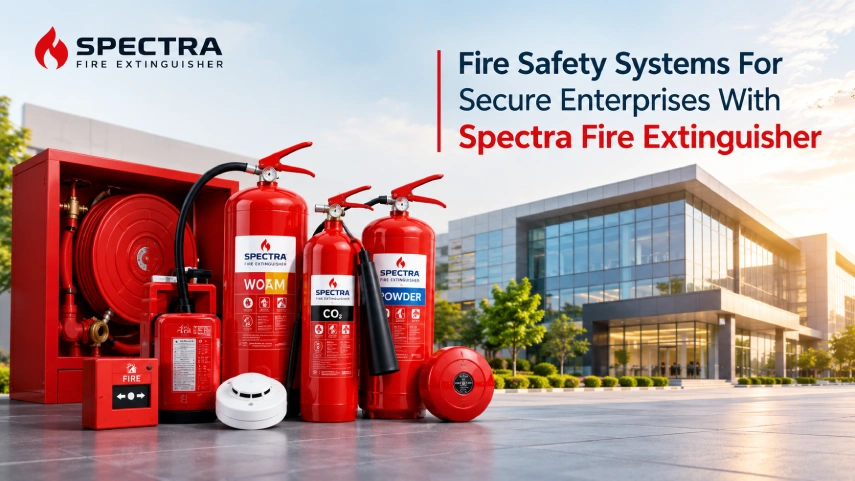
Fire Safety Systems For Secure Enterprises With Spectra Fire Extinguisher
Today's business requires complete security, and it requires a fire extinguisher, which forms an integral part of its security system. Although cyber risks receive much attention today, physical threats such as electrical failure or leakage of chemicals pose imminent dangers to organizational continuity. Hence, the concept of securing enterprises necessitates the need to implement a holistic risk management process that goes well beyond compliance requirements. By creating advanced fire suppression systems to safeguard valuable resources, important infrastructure, as well as precious human lives in today's commercial spaces.
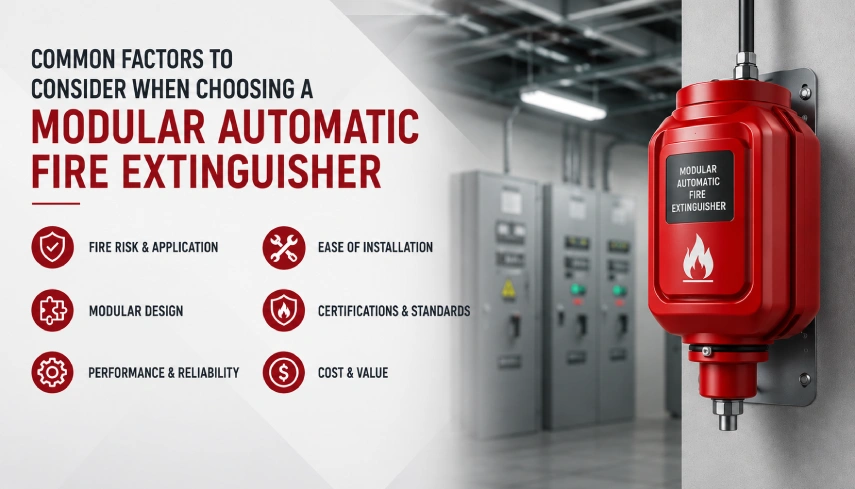
Through collaboration with Spectra Fire, today's commercial facilities enjoy full protection from unforeseen disasters. With state-of-the-art automatic fire suppression systems coupled with manually operated extinguishers, company owners can ensure absolute safety shields around their organization. Secure enterprises identify hazardous areas such as data centers and manufacturing units, ensuring appropriate devices are in place to counter these dangers instantly. Building such a safety mindset results in minimal disruption of work processes, no loss of critical information, and enables facility managers to tackle emergencies confidently.
Essential Pillars of Enterprise Hazard Management
Protecting a sprawling corporate facility requires a strategic methodology rather than just randomly placing fire extinguisher on walls. Secure enterprises must establish a robust framework that integrates both technology and facility management to ensure maximum readiness. Here are the four critical pillars of enterprise fire defense:
1. Comprehensive Risk Assessment
Facility managers should conduct periodic evaluations of their premises to find out about areas at risk. There are special server rooms, places where chemicals and dangerous liquids are stored, and huge electrical circuit boards, requiring specific automation. Then there are office corridors, which demand strategically positioned manual suppression tools for handling smaller accidents instantly.
2. Multi-Layered Suppression Integration
Security is best achieved through multiple layers of defense mechanisms. Automated modules form the outer layer and will automatically activate when heat triggers them. On the other hand, manual portable suppression tools play an important role as the second line of defense, enabling employees to take action.
3. Strategic Equipment Placement
Accessibility plays an important role in the performance of any equipment used for safety purposes. All kinds of safety apparatuses should be mounted along escape paths, allowing workers to get their hands on suppression equipment. Even when they are still staying far away from danger zones.
4. Ongoing Maintenance Protocols
It doesn’t make sense if we fail to keep our safety infrastructure running at peak efficiency all the time. Companies need to inspect, test pressure gauges, exchange old parts, and ensure all equipment complies with industry regulations. With Spectra Fire, you can get these services booked with professionals who can visit your organization and check it all.
By heavily investing in these four foundational pillars, corporations can drastically reduce the risk of extensive property damage and life-threatening scenarios. A well-maintained, intelligently mapped safety infrastructure transforms a vulnerable building into a highly secure enterprise. That provides unmatched peace of mind for both executives and floor employees.
Manual Interfaces and PASS Methods of Fire Extinguishers
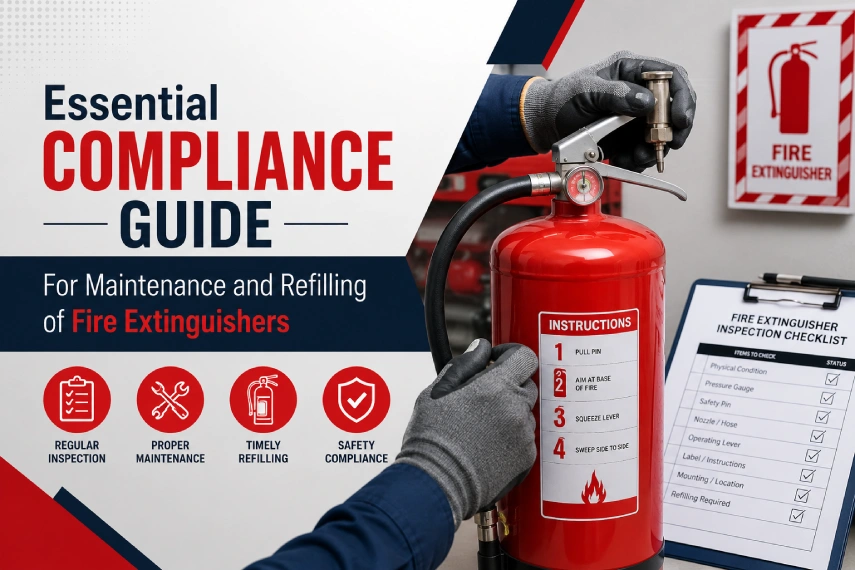
While an automatic fire extinguisher is a good practice, facility staff must still be trained to handle emergencies. In scenarios where a fire is detected before the modular unit triggers, or if the fire continues to smolder after the initial discharge, manual intervention becomes necessary. For all manual fire extinguishers, the industry-standard PASS method must be taught to all staff:
- Pull: Pull the pin at the top of the extinguisher. This breaks the tamper seal and allows you to discharge the unit.
- Aim: Aim at the base of the fire, not the flames. The goal is to starve the fuel source of oxygen.
- Squeeze: Squeeze the handle slowly and evenly. This releases the extinguishing agent.
- Sweep: Sweep the nozzle from side to side at the base of the fire until it appears to be extinguished.
Modular units provide the first line of defense, but the PASS method is the essential secondary skill that ensures total fire control. A facility manager who integrates both automated modular protection for high-risk zones and accessible portable units for general areas creates a robust, multi-layered fire defense strategy.
Final Thoughts!
Maintaining robust security means every functional Fire Extinguisher must be integrated into a broader, strategic defense plan. Enterprises simply cannot afford to gamble with physical safety, especially when protecting vital assets and human lives. By combining cutting-edge automated suppression networks with comprehensive manual response strategies, facility managers successfully eliminate dangerous vulnerabilities. This proactive mindset transforms standard compliance into a formidable operational shield against unpredictable and severe workplace disasters.
To achieve maximum protection, forward-thinking organizations are consistently upgrading their internal safety protocols. Trusting reliable partners like Spectra Fire guarantees that your enterprise possesses the absolute best defense mechanisms available today. Implementing these hybrid safety systems ensures uninterrupted business continuity, massive risk reduction, and profound peace of mind. Empower your workforce, modernize your facility’s infrastructure, and prioritize uncompromising hazard management to cultivate a truly secure, resilient corporate environment.
Frequently Asked Questions
Hybrid firefighting involves the use of automation technology and modules in places where no workers can enter. Manual devices will be used elsewhere to cover other facilities within enterprises to ensure full coverage in case of unforeseen emergencies anywhere across enterprises.
Automated modules keep monitoring risky enterprises around the clock without fail and without rest. They sense extreme heat immediately and suppress it instantly before any human responders can get there to handle the threat effectively.
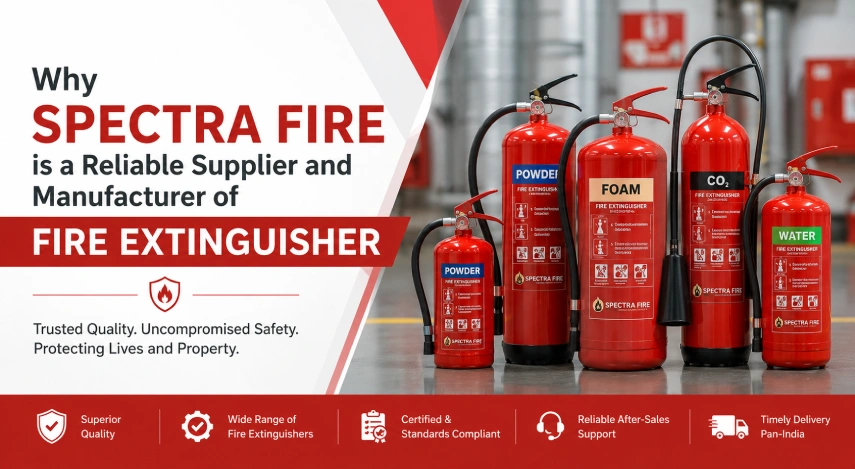
Spectra Fire supplies the highest quality of automatic modules alongside portable manual suppression devices. Moreover, Spectra Fire provides numerous accessories with each purchase to ensure hassle-free operations throughout any enterprise's facilities.
Yes, indeed. Spectra Fire professionals help enterprises map out their premises carefully. Then they decide which automated and manual devices should go where in order to ensure maximum operational safety for enterprises.