Understanding Fire Hydrant Systems: How It Works, Fail, and How to Keep Them Maintained
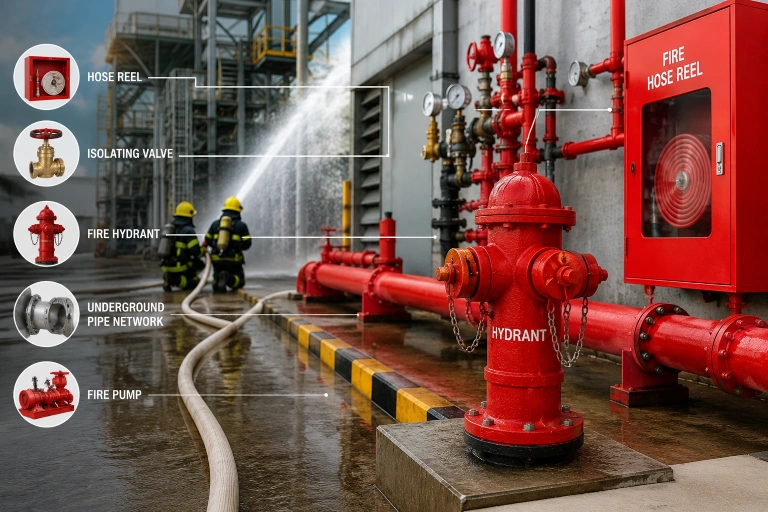
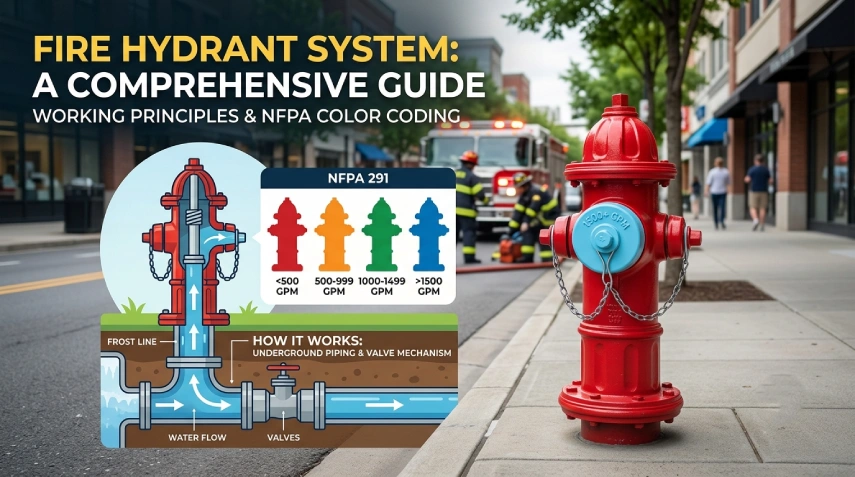
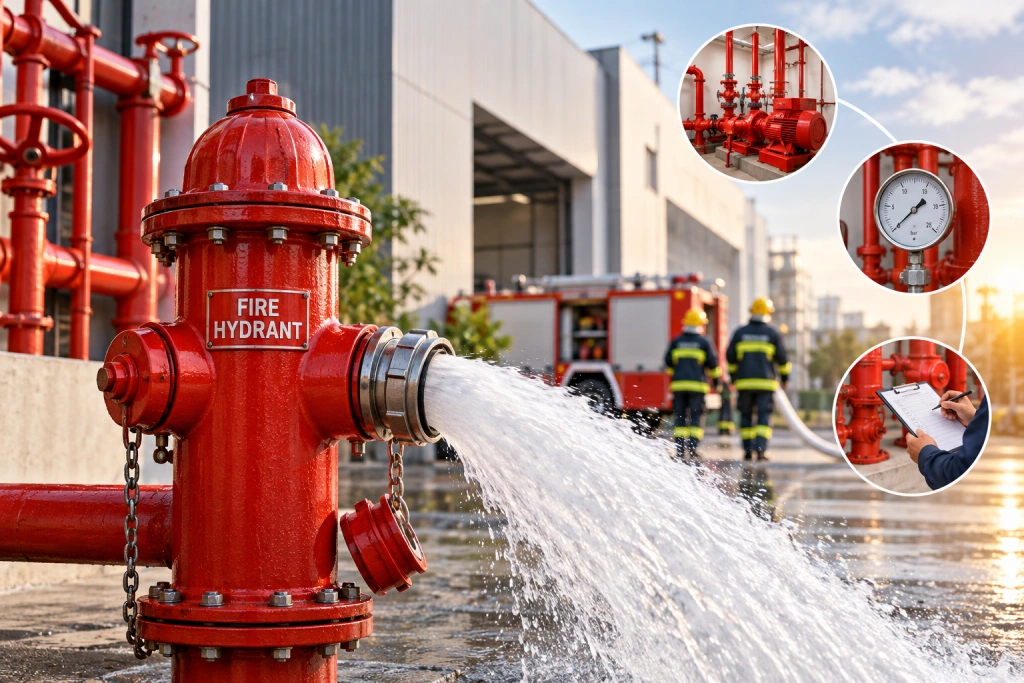
To control wildfires in areas such as industrial, commercial, or warehouses, the fire hydrant system is the backbone of firefighting techniques. It supplies larger volumes of pressurized water directly to the water source, making it most effective in combustion of fire. It helps in controlling and suppressing fires that are out of reach of a fire extinguisher. The hydrant system is mostly advised by the government in large regions to be installed as per guidelines and maintained. Because one hydrant system in an area can really save many lives, spaces, and property. However, several hydrants fail, and the reason is mostly due to poor maintenance, incorrect installation, or a lack of testing on a regular basis. Understanding the workflow of these systems, their operation, and where they commonly fail is essential for prevention during escalated fires. Making it essential to understand it maintained it because internal firefighting teams can get really big support from the fire hydrant system, as it facilitates many perks. Along with fire brigade operations, large-area fire coverage, and prolonged firefighting duration, fire breaks are effective irrespective of space. There are several other benefits, applications, and uses of these systems to have a complete, foolproof fire safety solution. Every space must have these systems installed, maintained, and understood its basics, which is what we will cover in this blog without missing anything. Understanding the specific differences between fire extinguisher and various fire protection systems is essential for maintaining building safety and ensuring compliance. The following table outlines the fundamental characteristics of wet risers, dry risers, external hydrants, and internal hydrant systems. It highlights their standard operating conditions, primary applications, key advantages, and the most common mechanical failures that facility managers must proactively monitor during inspections. It is essential to understand how the fire hydrant system works since it involves precise automatic mechanical processes to facilitate instant water flow when needed. For managers, it becomes imperative to know about the operational chain of events in order to pinpoint any weaknesses while performing routine maintenance tasks. On encountering a fire emergency situation, it becomes imperative for this entire chain of operations to proceed smoothly without interruption. Any malfunction in any part of the interconnected machinery will delay the firefighting process fatally. The jockey pump controls the water pressure levels in the idle state of the fire hydrant system. By continuously monitoring pressure levels, this pump makes adjustments whenever slight variations occur to keep the pressure steady without starting the fire pump unnecessarily. Once opened by firefighters in emergencies, huge volumes of water rush into action, leading to sudden drops in water pressure. Throughout the pipeline network, for this process to operate seamlessly, products need to be from experienced manufacturers like Spectrafire. Detecting this sudden pressure drop, the automated pressure switch instantly sends a signal to the main control panel. This mechanism automatically activates the primary electrical fire pump to supply massive amounts of water. Once the powerful main pump is fully activated, water is forcefully pushed through the complex network of pipelines. It travels directly to the opened hydrant outlets, providing responders with the high-pressure streams needed. In the event of a severe power outage during a fire, the fire extinguisher is not effective. The backup diesel pump automatically takes over. This crucial redundancy ensures continuous water flow even when the building's electrical grid completely collapses. If any one of these steps fails, firefighting is delayed, and the entire system can be thrown into chaos because the entire system relies heavily on the flawless execution of this specific automated sequence to combat blazes effectively. If any single mechanical step malfunctions, crucial firefighting efforts are severely delayed, risking lives and property. An effective fire hydrant system setup needs to consider various components working in harmony. It is important for facility management professionals to learn about these components and inspect them regularly in order to avoid common mistakes while doing inspections of their fire hydrant systems. In the fast-paced world where everything is set up on automation because it allows systems to flow seamlessly. Similarly, a fire hydrant system needs to work automatically without experts having to investigate every step because it shows reliability under real-life fire situations. As much as fire safety is important to have, having it in fully functional condition is more vital, as just installing it doesn’t fulfill its duty. One needs to ensure fire hydrant systems at their premises work perfectly by keeping it check and maintained as per guidelines. So when it is needed the most, it is available, working, and can save lives. Partnering with reliable manufacturers is also one of the crucial steps, and if you are looking for one. Then look no further than Spectrafire, an all-rounder provider of fire safety tools and systems. With a renowned name in the market and millions of happy and satisfied clients. Connect with our experts today at Spectrafire and get a detailed outline of your fire safety solution to keep everything around you safe. This is an extremely important safety infrastructure consisting of pipes, pumping stations, and valves that supply the fire department with high-pressure water access to put out huge building fires efficiently. In the case of wet risers, they are always filled with water at all times, while in the case of dry risers, they are kept entirely empty until the arrival of fire crews, who attach them to a powerful external water pump. Indeed, Spectrafire specializes in designing and installing durable, highly efficient fire hydrant infrastructure tailored to commercial and industrial premises according to strict national safety standards. Certainly, Spectrafire offers complete maintenance and repair services to make sure that your firefighting infrastructure is always fully functional and pressurized whenever needed. Spectrafire ensures unparalleled safety solutions through advanced technological innovations, coupled with professional engineering expertise for complete protection of your precious assets against devastating fire hazards efficiently.Various Types of Fire Hydrant Systems and Where They Are Used Exactly
System Type
Operating Condition
Common Applications
Common Failures
Wet Riser Systems
Remains fully charged with water at all times
High-rise buildings, major hospitals, large commercial complexes
Pressure loss due to pipe leaks or faulty jockey pump
Dry Riser Systems
Remains completely empty until connected to a brigade pump
Low-rise buildings and areas with limited water storage
Inlet valves become inaccessible or heavily blocked during emergencies
External Hydrant Systems
Strategically installed outdoors for exterior protection
Open yards, storage warehouses, industrial plants, and tank farms
Hydrants are carelessly blocked by parked vehicles or vegetation
Internal Hydrant Systems
Installed inside near safe escape routes
Building interiors and next to main staircases
Hose reels are missing, damaged, or physically obstructed
Operation of Fire Hydrant System Explained
1. Jockey Pump Maintains System Pressure
2. Opening a Hydrant Causes a Pressure Drop
3. Pressure Switch Starts the Main Pump Automatically
4. Water Flows Through Pipelines to Hydrant Outlets
5. Diesel Pump Activates If Electrical Supply Fails
Core Components and Common Vulnerabilities
It’s Time To Wrap Things Up!
FAQs